You are choosing between two great West Hollywood lifestyles: a service-rich condo or the autonomy of a single-family home. Your calendar is full, privacy matters, and logistics like parking, guests, and deliveries can make or break your day. In this guide, you will compare amenities, privacy, parking, rules, costs, and current rent ranges, then leave with a concise checklist to use on tours and with landlords or HOAs. Let’s dive in.
Quick take: Which fits your life?
- Choose a luxury condo if you value on-site services, controlled access, and simple day-to-day living with a staffed team and amenities in one place.
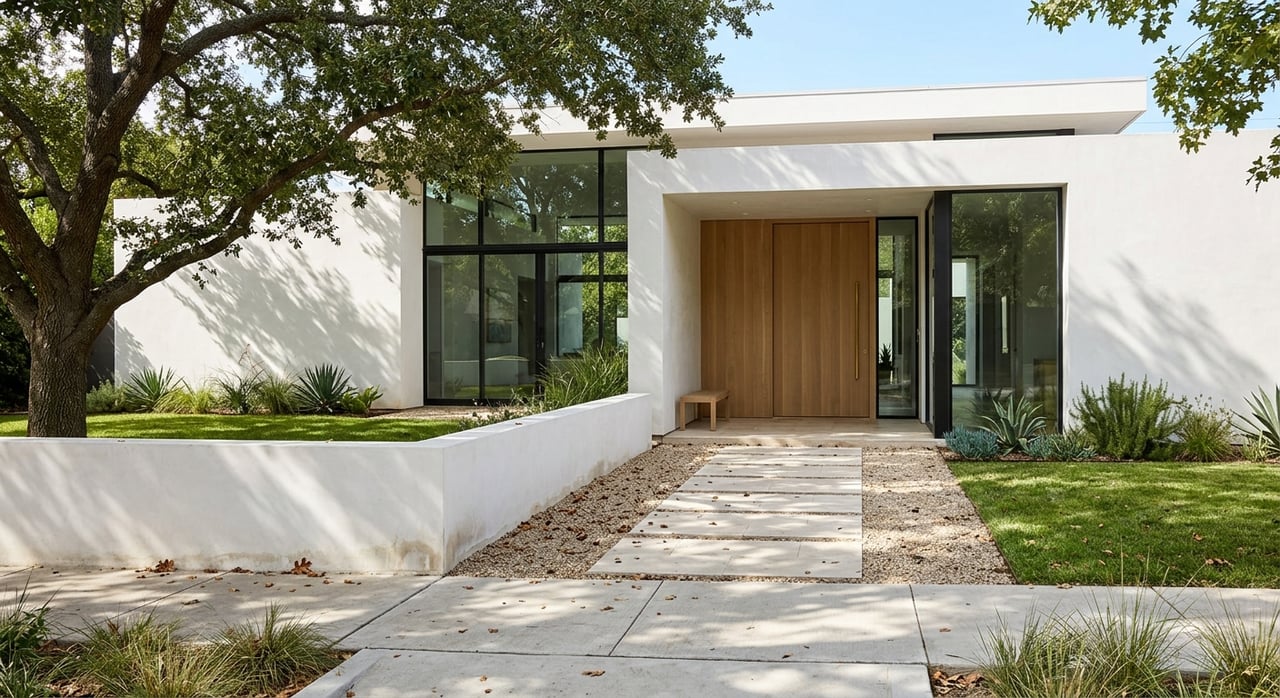
- Choose a single-family home if you want private outdoor space, more event flexibility, and control over a full lot, plus room for vehicles and equipment.
- If your work involves frequent visitors or small crew days, focus on guest parking, building or city rules, and noise enforcement exposure.
Amenities and on-site services
Luxury West Hollywood condos often market full-service convenience: controlled entry, front desk or concierge, 24/7 security, fitness centers, rooftop or heated pools, spa areas, and package handling. These features make condo living attractive when you want a turnkey setup with minimal coordination.
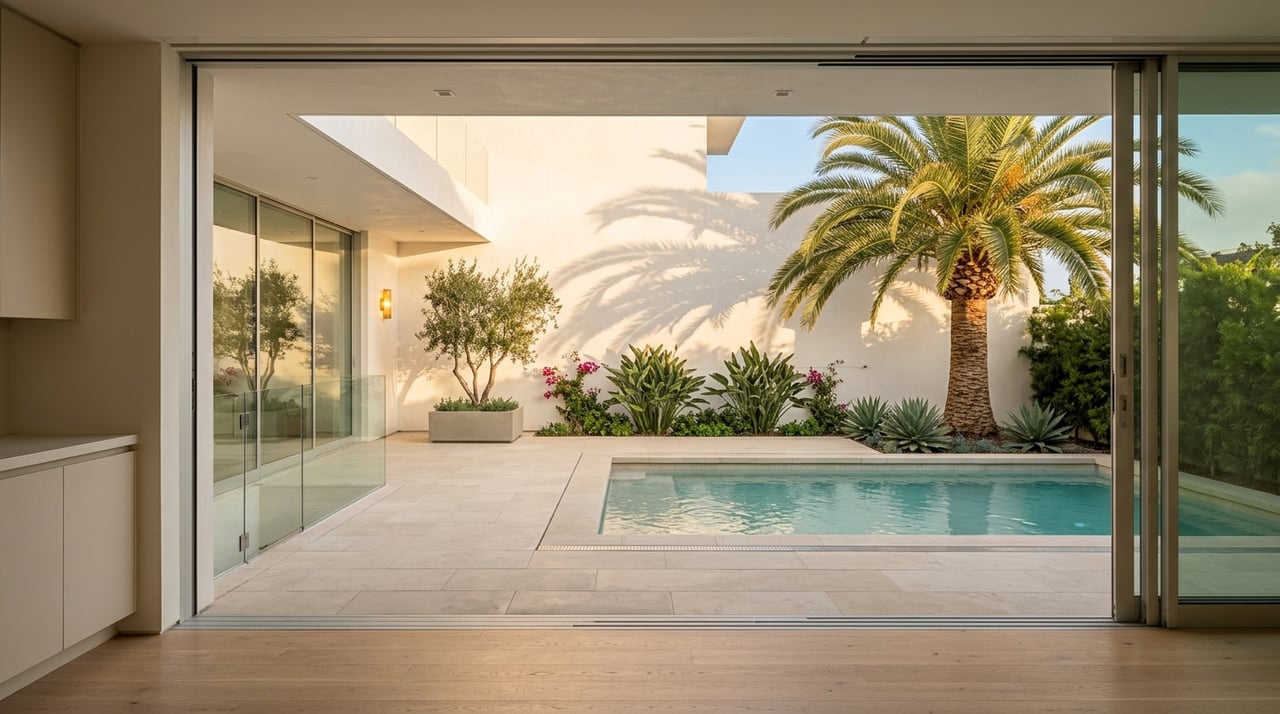
Houses trade building services for privacy and control. You may have a private yard, pool, and guest house, but daily services like valet or a staffed front desk are not typical. If you plan to host clients, hold small meetings, or stage photo shoots, a house can be a better canvas. Just remember you manage more details yourself.
Bottom line: with condos, verify which amenities are staffed versus passive and whether any services carry extra monthly charges. With houses, budget for private maintenance or third-party vendors if you want a similar level of convenience.
Privacy, noise, and event hosting
Condos share walls, floors, and common areas, which means your experience depends on building construction and neighbors. HOAs often set policies for parties, guest behavior, and use of shared spaces. West Hollywood enforces a Noise Control Ordinance that treats loud parties and ongoing disturbances as code violations, with potential fines and cost recovery for repeated responses. Review the city’s Noise Control Ordinance if you expect to host.
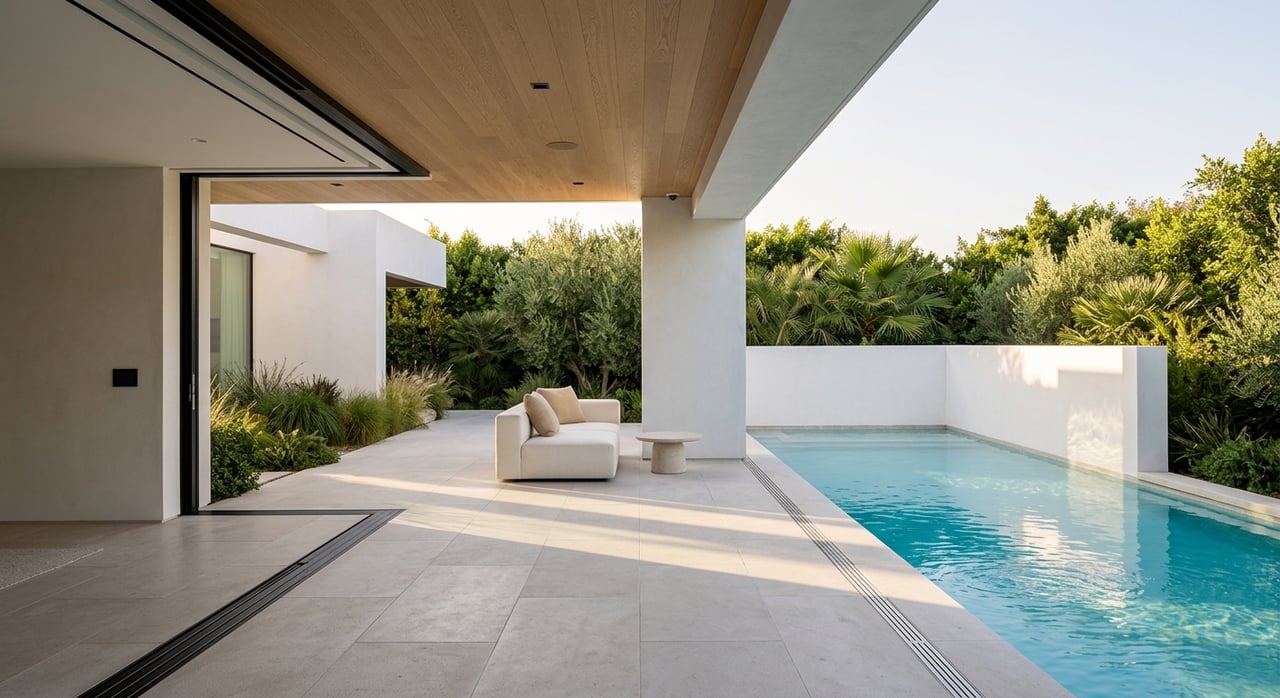
Houses usually offer better separation from neighbors and more private outdoor entertaining. That said, you are still subject to city noise and public-safety rules. Larger gatherings can trigger permitting needs or draw enforcement if they impact traffic or safety. If events are part of your plan, clarify house rules, consider security, and discuss logistics with neighbors when appropriate.
Parking and guest logistics
Condos frequently include one or two assigned spaces, sometimes with valet or controlled guest parking. For executives with a daily driver, a second car, and routine visitors, confirm the number of assigned spaces and the building’s visitor policy before you sign. Ask whether guest passes are available and how deliveries are handled.
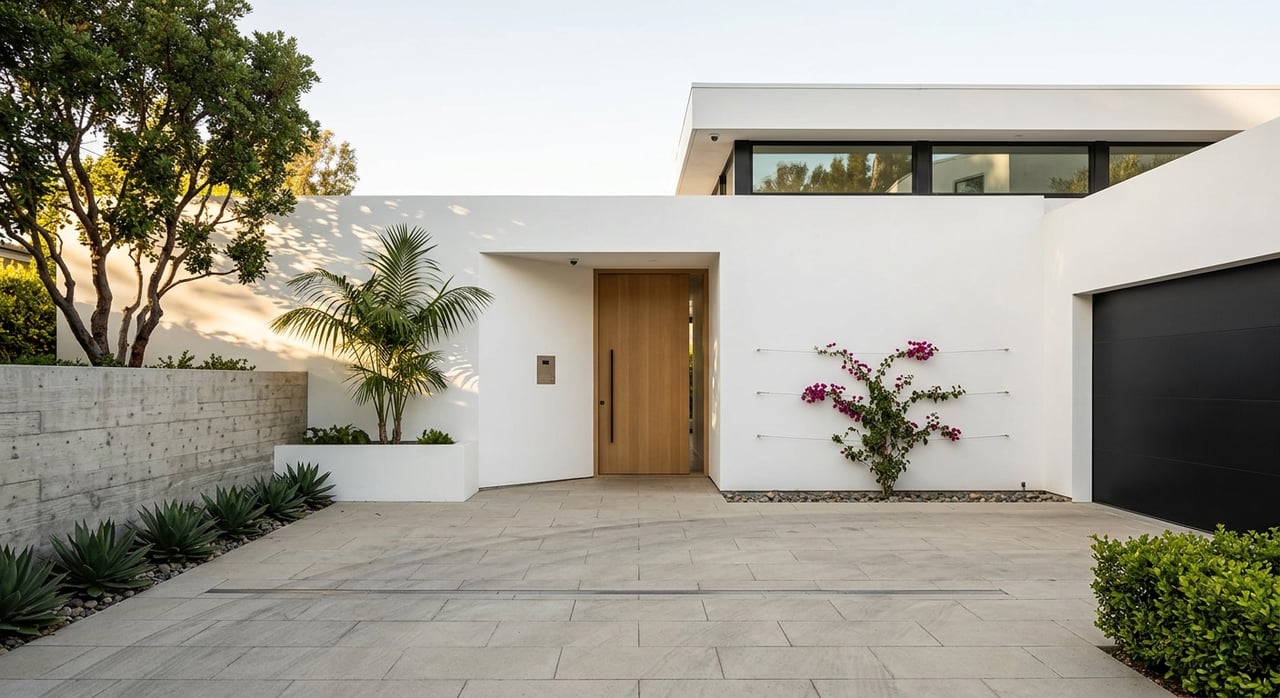
Houses usually provide a driveway and garage that work well for vehicles and equipment drops. Overflow parking shifts to the street, which is governed by West Hollywood’s resident and visitor permit system. The city outlines resident permits, paid guest permits, and a points-based visitor system. Review West Hollywood’s Parking Permits program and plan for vendors, crew vans, or recurring visitors.
Practical tip: whether condo or house, ask about loading zones, towing enforcement, overnight commercial vehicle rules, and whether temporary permits can be arranged through the city for larger moves.
HOA rules, lease flexibility, and short-term stays
If you are looking at condos, the HOA rules are as important as the floor plan. California’s AB 3182 (Civil Code §4741) limits how broadly HOAs can restrict leasing. Associations cannot set a rental cap below 25 percent of units in most cases, and they cannot unreasonably restrict an owner’s right to rent; they may still prohibit short stays under 30 days. Read the statute text for clarity on what HOAs can and cannot do in California here.
At the city level, West Hollywood does not allow short-term vacation rentals of residential units under 30 days and actively enforces this policy. If you need hotel-style flexibility, WeHo will not be permissive. Review the city’s short-term rental guidance from West Hollywood before you commit.
If a condo is on your list, request the CC&Rs, any tenant registration rules, and recent board minutes. Ask directly about rental caps, minimum lease terms, subleasing or corporate occupant policies, and whether the owner has leased the unit before.
Costs: deposits, dues, and recurring charges
California’s AB 12 limits most residential security deposits to one month’s rent for tenancies that begin on or after July 1, 2024, with narrow exceptions for certain small owners. If you see a higher deposit, ask whether an exemption applies and confirm compliance. You can read AB 12’s text here.
Condo HOA dues vary widely across West Hollywood. Amenity-rich or newer buildings with concierge, security, and active amenities typically have higher monthly assessments. Dues commonly cover items like common-area maintenance, master insurance, reserve contributions, janitorial and landscaping, elevator and pool service, and sometimes some shared utilities. Always request the HOA budget and reserve study and confirm whether water, trash, or internet are master-metered. Compare your total monthly outflow: rent plus HOA plus utilities versus house rent plus utilities and any vendor costs.
West Hollywood maintains a Rent Stabilization program with unit registration and tenant resources. Coverage varies by property type and year of construction. Check the city’s overview to understand registration, allowable increases, and tenant protections on specific units. Start with the city’s Rent Stabilization program page.
Also know California’s AB 1482 places an annual rent-increase cap and just-cause rules on eligible units, with exemptions for certain single-family homes, condos, and newer buildings. Confirm whether AB 1482 applies to each address you consider by reviewing the statute here and by asking the landlord for written confirmation.
What you might pay in 2026
As a broad snapshot, RentCafe reported an average apartment rent in West Hollywood of about 3,087 dollars per month as of February 21, 2026. That translates to roughly 2,233 dollars for studios, about 3,248 dollars for one-bedrooms, and about 4,361 dollars for two-bedrooms. These figures cover a wide mix of apartments and condos, not specifically luxury buildings or houses. See the latest averages from RentCafe’s West Hollywood snapshot.
Single-family homes have a wider range. You will find modest houses in the lower four figures and designer estates asking tens of thousands per month. As a practical planning range, many single-family leases in and around WeHo start higher than typical condo one- to two-bedroom rents, with common asks from roughly 4,000 dollars up to 15,000 dollars, and premium properties that far exceed that. Always confirm current offerings because West Hollywood pricing can move quickly.
Decision checklist for tours and offers
Use this list to protect your time and avoid surprises. Ask for written answers or an email from the landlord, manager, or HOA.
- Base rent and monthly charges: list rent plus every recurring fee, including HOA dues, utilities, parking, and any building charges.
- Security deposit: state the exact amount and confirm AB 12’s one-month cap applies to your tenancy. Share the AB 12 text if needed and request compliance in writing. Reference: AB 12 security deposit limit.
- Parking and guest access: number of assigned spaces, EV readiness, visitor policies, valet or guest pass availability, and towing rules. For houses, confirm city visitor permits and options for temporary commercial permits. Reference: West Hollywood Parking Permits.
- HOA and leasing rules (condos): request CC&Rs, rental caps, minimum lease terms, tenant registration steps and fees, subleasing or corporate occupant terms, and any recent amendments. Reference: AB 3182 and HOA rental limits.
- Noise and events: ask about building event policies, quiet hours, and fine schedules. For houses, confirm city noise standards and any needed permits for larger gatherings. Reference: WeHo Noise Control Ordinance.
- Move logistics: for condos, confirm elevator reservations, insurance certificates for movers, and delivery windows. For houses, confirm curb space and any temporary parking or encroachment needs with the city.
- Insurance: clarify renter’s insurance requirements and landlord policy coverage. Ask if the HOA or landlord requires specific liability limits.
How to choose with confidence
If you value simplicity and on-site support, a luxury condo can streamline your days. If you prize outdoor privacy, flexible staging, and control over parking, a house is likely the better fit. Either way, the right choice comes down to your operating needs, not just a floor plan.
When you want a discreet, efficient process, you can lean on a partner that evaluates HOA rules, confirms city permits, reviews budgets and reserve studies, and negotiates move logistics in advance. That approach saves time, reduces risk, and delivers the experience you expect in West Hollywood.
If you are ready to compare specific addresses, schedule tours, or validate HOA and city requirements, connect with SPIRE ESTATE SERVICES to move forward with clarity.
FAQs
Can you Airbnb a condo or house in West Hollywood?
- West Hollywood does not allow short-term vacation rentals of under 30 days in residential units, and many HOAs also prohibit short stays; review the city’s guidance on short-term rentals and confirm HOA rules in writing.
How do HOA rules affect my condo lease?
- California’s AB 3182 limits how broadly HOAs can restrict leasing and prevents rental caps below 25 percent in most associations, but HOAs can ban stays under 30 days; read the statute here and request CC&Rs and recent amendments.
What is the current security deposit limit in California?
- For most residential tenancies that begin on or after July 1, 2024, AB 12 caps the deposit at one month’s rent, with narrow exemptions; see the statute text here.
Are West Hollywood rentals covered by rent stabilization?
- The city runs a Rent Stabilization program with unit registration and tenant protections that may apply based on property characteristics; start with the city’s overview here and ask the landlord for written confirmation.
What are typical West Hollywood rent ranges right now?
- As of late February 2026, RentCafe reports an average apartment rent near 3,087 dollars, with one-bedrooms around 3,248 dollars and two-bedrooms around 4,361 dollars; see the RentCafe snapshot.