If you picture Pacific Palisades as just another beachside Los Angeles neighborhood, the reality is more layered than that. Living here tends to feel quieter, more residential, and more connected to open space than many parts of the city, while still giving you access to a village center, the coastline, and canyon trails. If you are trying to understand the day-to-day rhythm of the area, this guide will help you see what life here actually feels like in 2026. Let’s dive in.
A coastal enclave with room to breathe
Pacific Palisades feels set apart from denser parts of Los Angeles. City sources describe it as a primarily residential community, and more than 55% of the gross land area is public open space, which shapes how the neighborhood looks and feels.
That open-space ratio matters in everyday life. Instead of a constant urban hum, you get a setting where hillsides, canyons, parks, and ocean edges play a major role in the experience of home. The result is a neighborhood that often feels calm, scenic, and outward-looking.
Geographically, Pacific Palisades sits between the Pacific Ocean and the Santa Monica Mountains. That location gives it a rare dual character: part seaside community, part canyon neighborhood, with views, breezes, and terrain that make the setting feel distinct from flatter parts of Los Angeles.
Village life shapes the daily rhythm
One of the defining features of Pacific Palisades is that it has a recognizable center without feeling overly commercial. Los Angeles planning documents describe the Village Center as pedestrian-oriented and community-focused, with an intentionally low-intensity commercial character.
That planning approach gives the area a small-town rhythm. You are not living in a district built around nightlife or dense retail corridors. Instead, daily life tends to revolve around practical routines, local gathering places, and familiar neighborhood patterns.
A good example is the Pacific Palisades Farmers Market, which currently runs on Sundays from 8:00 a.m. to 2:00 p.m. at Swarthmore and Antioch. That kind of weekly ritual reinforces the sense that people here move through the neighborhood with purpose and regularity, rather than in a rush.
The library also reflects that civic continuity. The Palisades Branch Library is currently operating in a temporary format in its parking lot, open Tuesday through Saturday from 1 p.m. to 5 p.m., which signals something important about the neighborhood: even in an interim period, community life continues.
The Village still matters in 2026
Pacific Palisades is in a recovery chapter, and that affects how the neighborhood feels today. Caruso has said Palisades Village is slated to reopen in August 2026 with shops, dining, and entertainment, so the town-center experience is still in transition.
That means living here right now comes with a sense of momentum. You are seeing a community rebuild key gathering places while maintaining its identity, which gives the area a resilient, forward-looking tone.
Outdoor life is part of everyday living
In Pacific Palisades, nature is not just scenery. It is part of the way many people experience the neighborhood day to day. Parks, trails, beach access, and recreation spaces are woven into the community in a way that feels central, not secondary.
The city lists a broad network of recreation assets, including Palisades Recreation Center, Santa Ynez Canyon Park, Temescal Canyon Park, Potrero Canyon Park, and Rustic Canyon Park. This concentration of outdoor space helps explain why the neighborhood often feels active in a low-key, grounded way.
Will Rogers State Historic Park adds another dimension. It offers hiking, equestrian use, picnic areas, and the county’s last public outdoor grass polo field, which gives the area a distinctive blend of California outdoor culture and historic character.
Trails and parks feel active, but not fully restored
Any honest description of Pacific Palisades in 2026 has to include the area’s recovery context. Will Rogers State Historic Park reopened in November 2025 after fire damage, but the West Inspiration Loop trail remains temporarily closed, and the visitor center is still under restoration.
Topanga State Park still anchors the mountain backdrop and offers 36 miles of trails, according to California State Parks. At the same time, some canyon and ridge areas remain closed because of the Palisades Fire, so the trail network is part of daily life, but not yet in a fully restored state.
That creates a lived experience that feels both rich and realistic. You still feel the strong pull of the outdoors, but you also notice signs of rebuilding and adaptation.
Beach access adds another layer
Beach life is part of Pacific Palisades, but it is not the whole story. The coastline here feels connected to the broader neighborhood rather than separated from it, which gives the area a more integrated character.
Will Rogers State Beach supports swimming, surfing, fishing, diving, volleyball, showers, restrooms, and access to the Marvin Braude Bike Trail. That range of uses makes the shoreline feel active and useful in everyday life, whether you are heading out for a casual beach morning or fitting in outdoor time close to home.
At the same time, recovery still shapes the experience. Los Angeles County notes that Will Rogers Parking Lot 5 is closed due to wildfire recovery, so while the beach remains a major amenity, some parts of access are still operating below pre-fire norms.
Potrero Canyon connects hills and shore
George Wolfberg Park at Potrero Canyon is one of the clearest examples of how Pacific Palisades links landscape and lifestyle. Opened in 2022, the 46-acre passive park includes 1.75 miles of walking paths, native plantings, and stormwater features above Pacific Coast Highway and Will Rogers State Beach.
Spaces like this give the neighborhood a layered feeling. You are not simply choosing between mountain and ocean settings. In many parts of the Palisades, the two experiences overlap.
Streets and homes feel varied
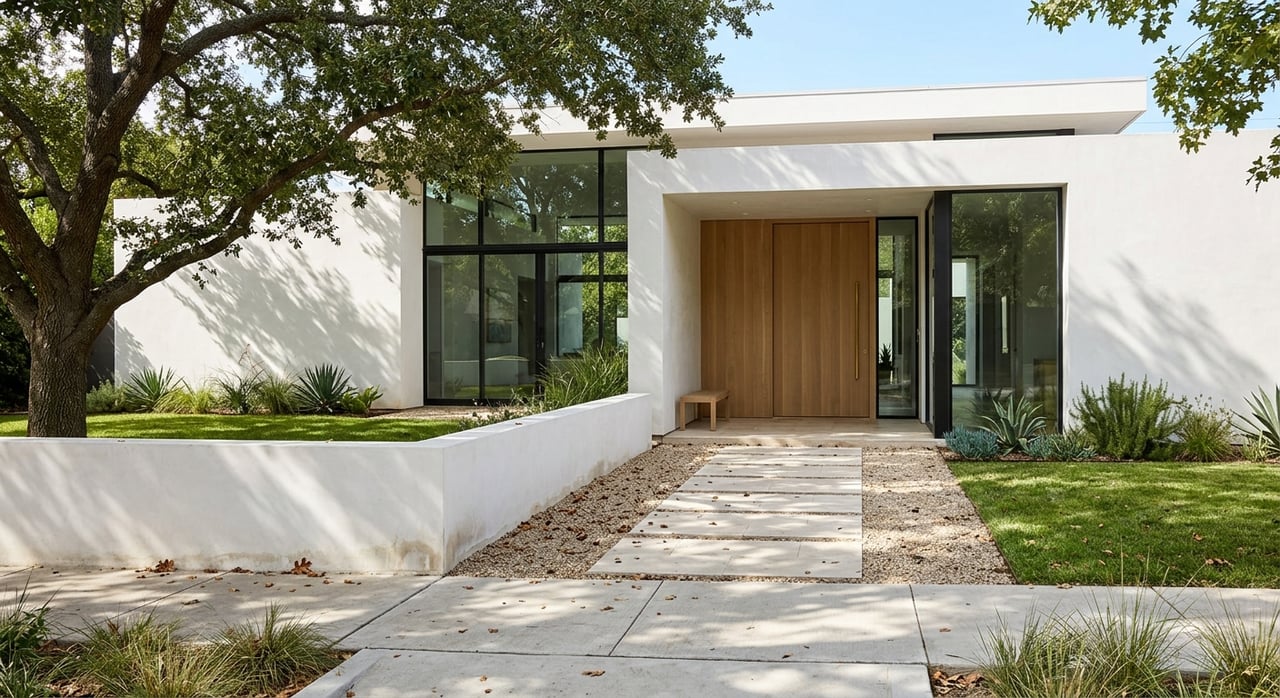
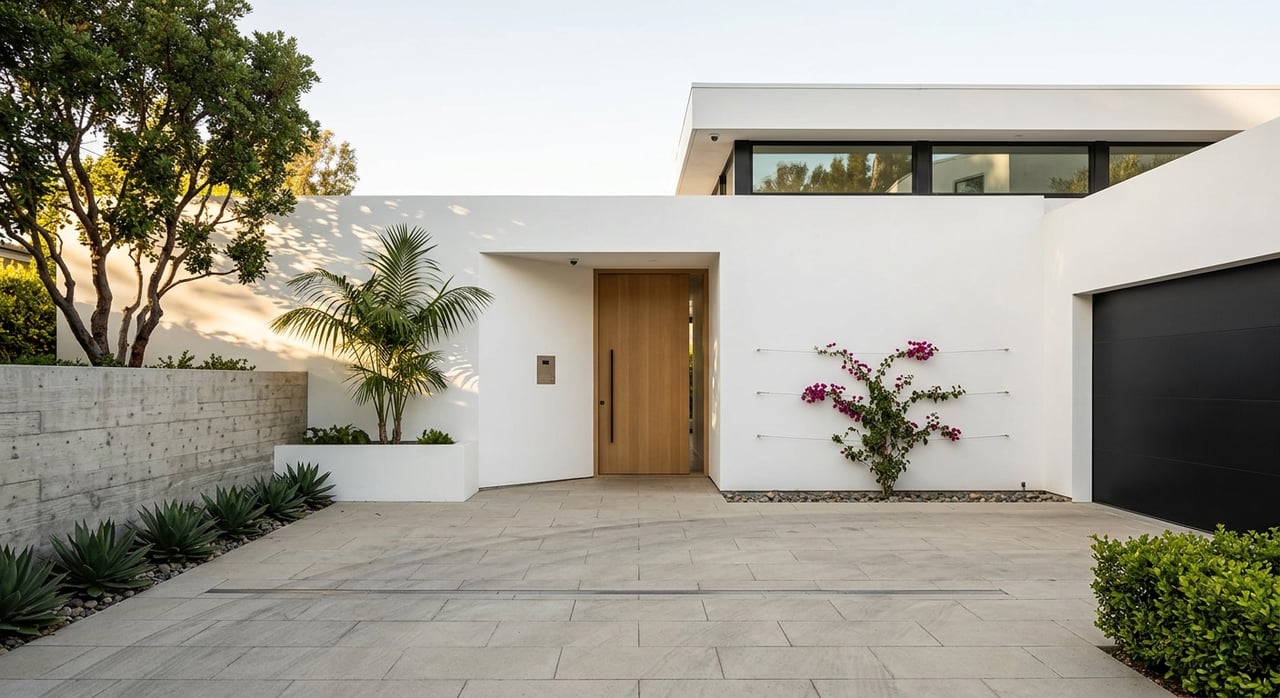
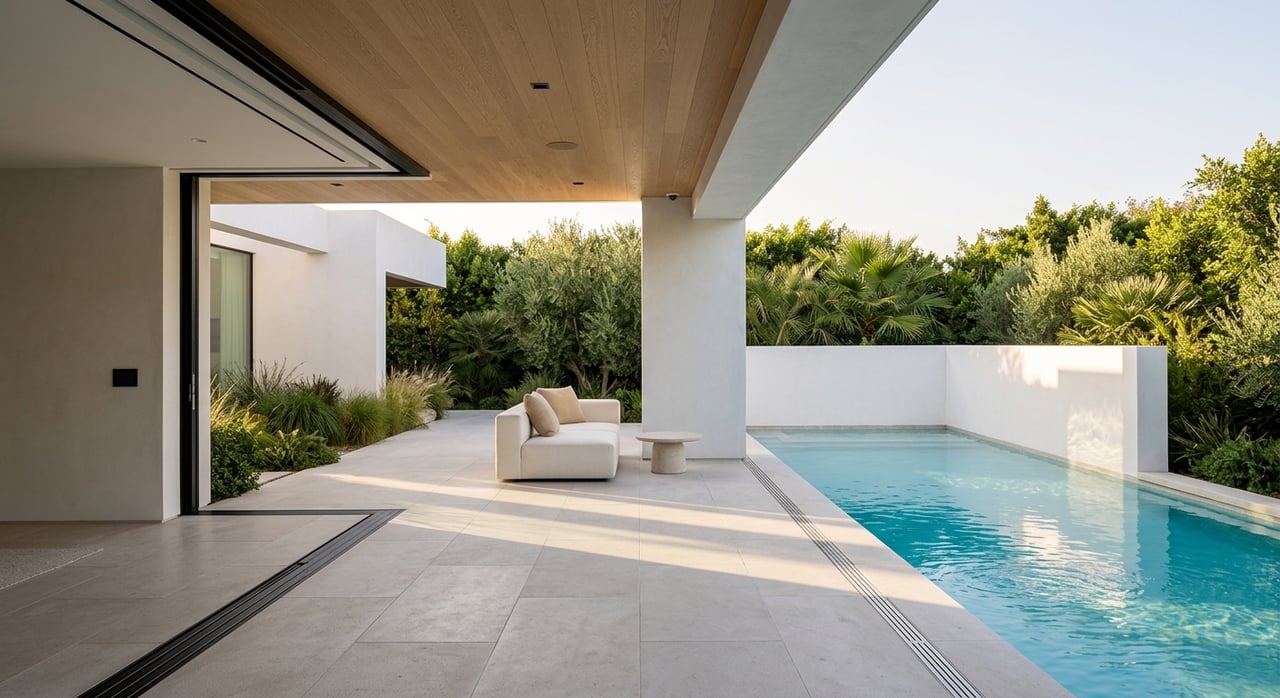
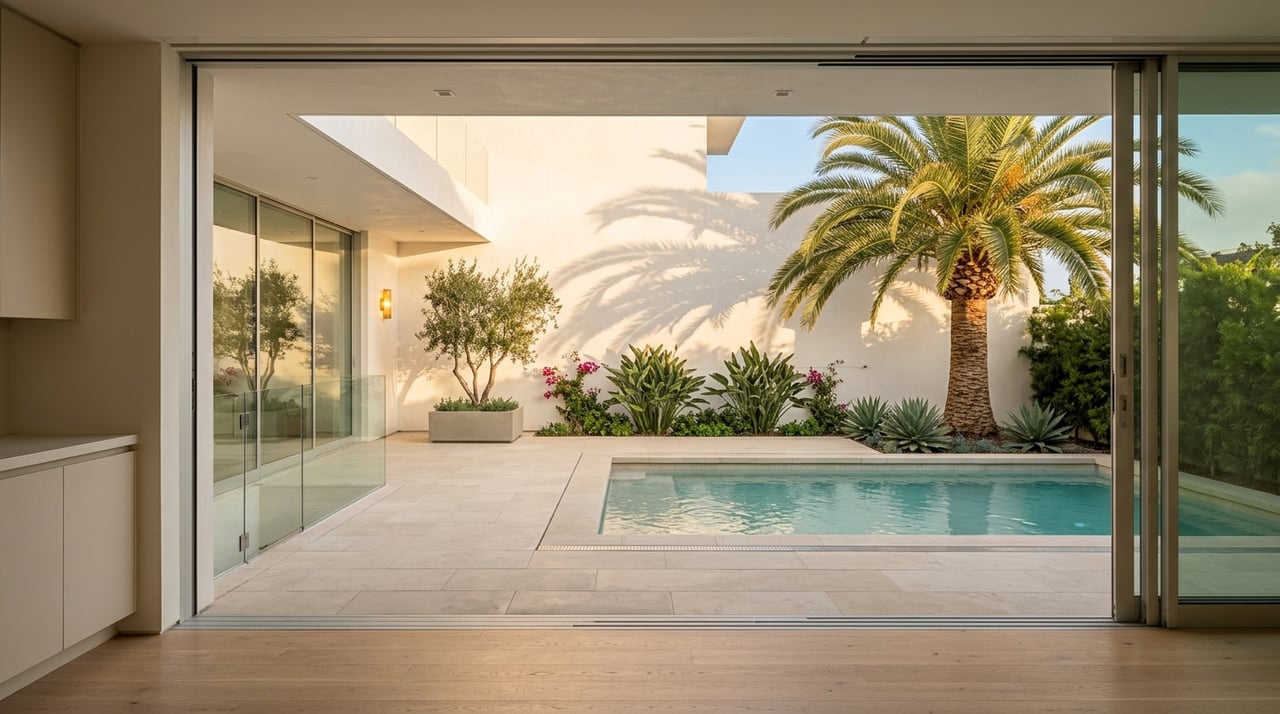
Pacific Palisades does not read as uniform. SurveyLA identifies a wide architectural mix here, including American Colonial Revival, Spanish Colonial Revival, Tudor Revival, French Norman, Ranch, Pre-War Modernism, and Post-War Modernism.
That variety gives the neighborhood visual texture. As you move through different pockets, the housing stock and streetscape can shift in noticeable ways, which makes the area feel more collected over time than master-planned all at once.
Topography also changes how the neighborhood unfolds. SurveyLA describes canyon streets as meandering and shaped by the land, so getting around often feels less like moving through a rigid grid and more like moving through connected residential pockets.
Village, canyon, and shoreline feel connected
Another part of the neighborhood’s character is how these different areas relate to one another. Historic commercial development is concentrated near the center around Sunset Boulevard and Via de la Paz, while pedestrian tunnels under Pacific Coast Highway connect residential and commercial areas to the beach.
That creates a sense of Pacific Palisades as a set of linked environments. You have a village center, tucked-away canyon streets, and direct shoreline access, but they read as parts of one community rather than isolated zones.
The climate supports an outdoor-first lifestyle
Weather is a quiet but important part of what living in Pacific Palisades feels like. A city environmental review describes warm summers, mild winters, infrequent rainfall, and moderate afternoon breezes.
In practical terms, that climate supports the neighborhood’s outdoor identity. Walks, parks, beach time, and open-air routines fit naturally into daily life for much of the year.
It also contributes to the area’s mood. The combination of breezes, light, coastal proximity, and hillside geography tends to make the neighborhood feel relaxed and visually open.
Community life feels steady and civic-minded
Pacific Palisades often gives the impression of a neighborhood where civic and community institutions still matter. The city identifies several local schools in the area, and the Pacific Palisades Community Council has served the community since 1973 as a volunteer civic organization.
For residents, that often translates into a stronger sense of continuity. Even with ongoing rebuilding, the neighborhood still feels anchored by recurring routines, established institutions, and a shared awareness of place.
That is part of why the Palisades can feel different from more fast-moving parts of Los Angeles. The atmosphere is less about constant reinvention and more about stewardship, daily rituals, and connection to the land and the community.
What Pacific Palisades feels like right now
In 2026, Pacific Palisades feels polished, scenic, and deeply residential, but also resilient. It is a neighborhood where village life, parks, trails, and the beach shape daily experience, even as recovery from the January 2025 Palisades Fire remains part of the picture.
If you are drawn to places that feel coastal without being crowded, active without being hectic, and established without feeling static, Pacific Palisades offers a very specific Los Angeles lifestyle. It feels like a community defined as much by open space and routine as by prestige.
For owners and residents who value thoughtful guidance in Pacific Palisades and across Los Angeles’ coastal luxury markets, SPIRE ESTATE SERVICES offers a discreet, high-touch approach grounded in long-term stewardship.
FAQs
What does daily life in Pacific Palisades feel like?
- Daily life in Pacific Palisades tends to feel quiet, residential, and centered on outdoor routines, local gathering places, and a pedestrian-oriented village core.
How much open space is in Pacific Palisades?
- City-related reporting notes that more than 55% of Pacific Palisades’ gross land area is public open space, which strongly shapes the neighborhood’s feel.
What outdoor amenities define Pacific Palisades?
- Key outdoor amenities in Pacific Palisades include local parks, canyon trails, Will Rogers State Historic Park, Topanga State Park access, Will Rogers State Beach, and George Wolfberg Park at Potrero Canyon.
Is Pacific Palisades fully rebuilt after the 2025 fire?
- No. In 2026, Pacific Palisades is still in an active recovery phase, with some trail closures, the temporary library setup, and the planned August 2026 reopening of Palisades Village reflecting that transition.
What makes Pacific Palisades feel different from other Los Angeles neighborhoods?
- Pacific Palisades stands out for its combination of low-density residential living, a defined village center, extensive public open space, canyon terrain, and direct beach access.
What is the architecture like in Pacific Palisades?
- Pacific Palisades has a varied architectural character, with styles identified by SurveyLA including Colonial Revival, Spanish Colonial Revival, Tudor Revival, Ranch, and multiple modernist traditions.