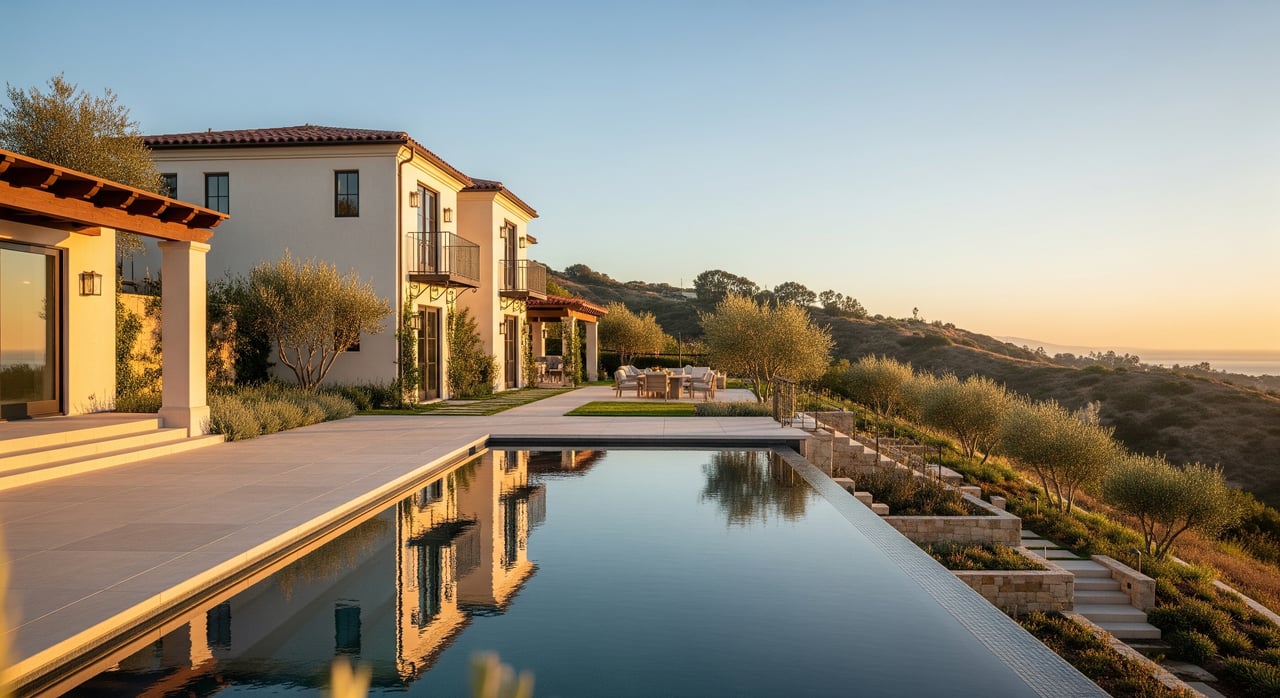
Should you live steps from a coffee on Sunset, wake to an ocean horizon, or trade it all for a quiet canyon with trailheads out your door? If Pacific Palisades is on your radar, you are likely weighing lifestyle as much as layout and price. This guide breaks down how daily life feels across the Village, coastal bluffs, and canyon streets, plus key housing patterns, commute realities, and practical due diligence. You will leave with a clear sense of fit and a checklist to move forward with confidence. Let’s dive in.
Pacific Palisades at a glance
Pacific Palisades sits where the Santa Monica Mountains meet the Pacific. It blends a small, walkable village center with blufftop streets and winding canyon neighborhoods. Most areas fall under City of Los Angeles planning rules, and coastal parcels also follow the California Coastal Commission’s local coastal program and permitting.
The appeal is straightforward: lower density than many Westside neighborhoods, strong community rhythms, and an outdoor lifestyle shaped by trails and the beach. You choose your pace of life here by choosing your micro-neighborhood.
How daily life shifts by micro-neighborhood
The Village: walkable small-town core
If you want short walks for errands and easy access to cafés, markets, and services, the Village delivers. The heart of town centers on a pedestrian-friendly stretch with restaurants, boutiques, and weekly community events. Nearby streets hold older cottages and mid-century homes that put you close to parks and schools.
Day to day, you can grab breakfast, run to the pharmacy, and be home without getting in the car. Evenings feel social but calm, with less late-night noise than denser parts of Los Angeles. If convenience and community programming matter to you, this is where to start your search.
Coastal bluffs and Riviera: views and sea access
Bluff and ocean-adjacent pockets like the Riviera and Castellammare line Pacific Coast Highway with sweeping views and distinctive architecture. Many homes sit along cliff-top streets with ocean breezes and access to pockets of sand near Will Rogers State Beach. Life here centers on early walks, surfing, and sunsets. Evenings are quiet and restorative.
These areas often involve more complex permitting and insurance. Coastal development and alterations may require review under the California Coastal Commission’s rules. If ocean views and a scenic setting are your must-haves, be ready to navigate extra due diligence.
Canyons and the Highlands: privacy and space
Canyon streets and Highlands neighborhoods climb into the Santa Monica Mountains. You get larger lots, more privacy, and a mix of architectural styles. The tradeoff is that daily errands are more car-oriented, and some streets are steep or winding.
For many, the payoff is direct trail access, room for outdoor amenities, and quiet evenings far from traffic. If you want a pool, a garden, or a guest house and accept a longer drive to the Village, this zone fits well.
Housing types and what to expect
Single-family homes dominate
Pacific Palisades is primarily single-family, with a wide range of styles: Spanish and Mediterranean bungalows, mid-century homes, traditional Cape and English influences, and contemporary bluff remodels. Many properties have been updated or expanded, especially near the Village and along view corridors.
Lot sizes vary by micro-area. Near the Village you see smaller, cottage-scale parcels. Canyon and Highlands lots can be larger and irregular, which may support additions or accessory structures with proper approvals.
Condos and townhomes near activity hubs
Condominiums and townhomes are limited compared to single-family homes, though you will find options closer to the Village and along main streets. These can suit downsizers, pied-à-terre owners, or tenants who prioritize convenience and lower maintenance.
Remodels, ADUs, and coastal constraints
Remodeling and reimagining older homes is common. Before you plan, confirm local zoning and any overlay considerations with the City of Los Angeles Department of City Planning. ADUs are permitted under state law, but slope, setbacks, and coastal rules can limit placement.
Along the bluffs, additions or major changes often require coastal review. Early consultation with the California Coastal Commission and a check of historical permits can save time.
Schools, parks, and everyday amenities
Public and private school landscape
Pacific Palisades is served by Los Angeles Unified School District for K–12. Because boundaries and programs can change, confirm specific school assignments directly with LAUSD and individual school websites. Private options exist on the Westside, and many families value proximity to elementary schools and park programs.
Use neutral, up-to-date data sources before you make decisions, and verify enrollment procedures early if a specific program is important to you.
Trails, beaches, and cultural anchors
If outdoor time is a priority, you are in the right place. Popular destinations include Will Rogers State Historic Park for polo fields and hiking, and Topanga State Park for expansive trail networks. The beach is a daily ritual for many residents, with morning runs and casual surf sessions setting the tone of the day.
For arts and culture, the Getty Villa sits just south of the Palisades, offering exhibitions and tranquil gardens. Community events and farmers markets round out a lifestyle that is active but not hectic.
Getting around: routes and rhythms
Commutes and connectivity
You connect to the region via Sunset Boulevard and Pacific Coast Highway, with routes toward Santa Monica, Brentwood, Westwood, the 405, and points south. Commute times vary widely with traffic. Many residents who work in West LA or Santa Monica find the drive manageable, and those who fly often plan for variability to and from LAX.
Public transit is more limited than in denser parts of Los Angeles. If you rely on transit for daily commutes, weigh this carefully when choosing a home.
Walkability vs. car dependence
The Village core is the most walkable area. Once you leave the flats for the bluffs or canyons, daily life becomes more car-centric. If you want to walk to coffee and school, target the Alphabet Streets and adjacent pockets. If you want tranquility and space, the Highlands and canyon streets trade walkability for privacy.
Risks, insurance, and smart due diligence
Wildfire and hillside considerations
Canyon and hillside properties sit within the wildland-urban interface. Review the CAL FIRE Fire Hazard Severity Zone viewer to understand designations around a specific address. Risk does not mean off-limits, but it does call for thoughtful vegetation management, hardscape buffers, and insurance planning.
Coastal erosion and bluff stability
Blufftop parcels face erosion and slope stability factors. Request historical geotechnical reports and confirm coastal setbacks and any related conditions of approval. For development or major remodels, consult the California Coastal Commission early to understand what is feasible.
Earthquake and flood readiness
Seismic preparedness is a baseline in Los Angeles. For older homes, verify foundation type and retrofit status during inspections. For any property near drainage paths or low-lying coastal zones, check the FEMA Flood Map Service Center for flood designations.
Permits, records, and insurance
Before you close, review permit history and certificates of occupancy with the Los Angeles Department of Building and Safety. Confirm that additions, ADUs, pools, and decks were permitted and finalized. For homes in higher risk zones or along the bluffs, speak with your insurer early, since underwriting can be more selective and premiums higher.
Choosing the right micro-neighborhood
Think through your everyday patterns first, then let that guide the map.
- If you want walkability and community events, start in the Village and Alphabet Streets.
- If ocean views and beach walks define your day, focus on Riviera and bluffside pockets like Castellammare.
- If privacy, space, and trail access win, look to the Highlands and canyon streets off Temescal and Marquez.
Use these tradeoffs to refine your search:
- Walkability vs. space and privacy
- Ocean exposure vs. permitting complexity
- Commute convenience vs. hillside seclusion
- Turnkey convenience vs. remodel potential
When you tour, bring a simple checklist:
- Morning and evening traffic on your block
- Noise from PCH or canyon winds
- Parking and driveway slopes
- Cellular coverage and internet providers
- Proximity to parks and your preferred school options
- Permit history for any additions or major remodels
Who thrives in each area
- The Village and nearby flats suit owners and tenants who want convenience, short walks, and easy community connection.
- Bluffs and Riviera appeal to buyers who prize view, air, and a quieter, scenic setting, and who are comfortable with coastal due diligence.
- Canyons and Highlands fit households that want larger indoor-outdoor space, more privacy, and direct access to trails.
There is no single right answer, only the right fit for how you live.
Ownership, leasing, and long-term stewardship
Whether you plan to buy, lease, or maintain a portfolio property in the Palisades, the details matter. Permits, hazard designations, and ongoing maintenance shape value and livability. A coordinated approach to inspections, contractor oversight, and compliance keeps projects on schedule and surprises to a minimum.
If you want a single accountable partner to orchestrate leasing, management, or selective sale strategy while also handling operational details and capital projects, consider a boutique steward with deep Westside experience. SPIRE ESTATE SERVICES brings a founder-led broker-and-contractor model that aligns strategy with execution, from high-end leasing to hands-on estate management. Ready to establish a measured plan for your Palisades property or search? Become a Client.
FAQs
What is daily life like in the Pacific Palisades Village?
- You can walk to cafés, markets, and services, enjoy regular community events, and live in cottage or mid-century homes close to parks and schools.
How do the bluffs compare to the Village for lifestyle and price?
- Bluff areas emphasize ocean views and quiet, with more complex permitting and insurance; they generally command higher price points than Village pockets.
Are canyon and Highlands homes good for families seeking space?
- Yes, these areas offer larger lots, privacy, and trail access, with a tradeoff of more driving for errands and potential wildfire considerations.
Which schools serve Pacific Palisades addresses?
- Public K–12 is within LAUSD; always confirm boundaries and programs directly with LAUSD and individual school sites before deciding.
What risks should buyers consider in the Palisades?
- Key items include wildfire exposure in canyons, coastal erosion on bluffs, seismic preparedness, and any flood designations; verify with CAL FIRE, FEMA, and local records.
What permits should I review before buying or remodeling?
- Check historical permits, final inspections, and certificates of occupancy through LADBS and confirm coastal requirements with the Coastal Commission.