Are you trying to decide between the vibrancy of the Beverly Hills Flats and the quiet seclusion of the Hills? You are not alone. Each micro-location offers a different rhythm of daily life, from walkable streets and quick errands to panoramic views and privacy. In this guide, you will learn the key differences in housing, access, climate, services, and due diligence so you can choose with confidence. Let’s dive in.
What the Flats offer
Everyday convenience and walkability
If you value quick access to shopping, dining, and services, the Flats deliver. Streets are on a grid, so driving is direct and ride-shares are straightforward. You can reach the commercial core and retail corridors in minutes. Daily routines feel efficient and predictable.
Housing and lot patterns
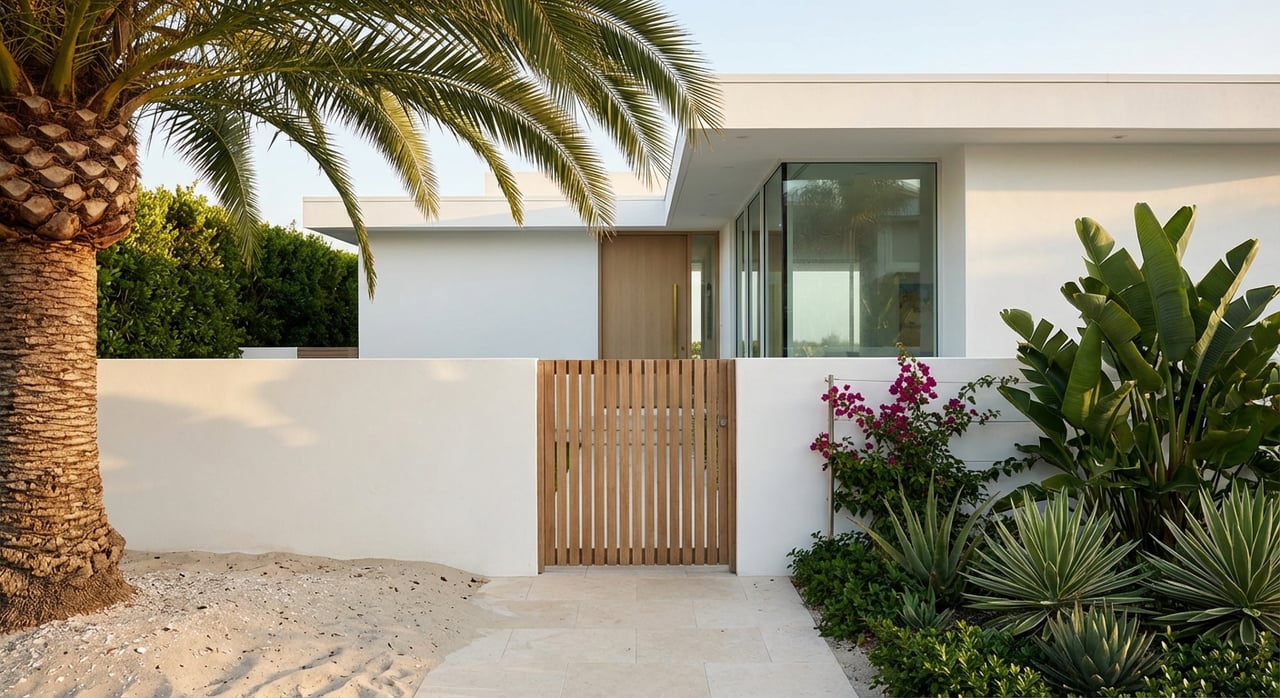
You will see a mix of period single-family homes, mid-century properties, townhomes, and condos near commercial areas. Lots are typically smaller and more rectangular, with standard setbacks. That footprint often means simpler projects and more predictable remodeling paths.
Access, parking, and services
On-street parking is more common, though always subject to local rules. Moving and delivery trucks have easier access compared with hillside switchbacks. City services like trash and street sweeping are available city-wide, and logistics in the Flats are usually straightforward.
Microclimate, privacy, and noise
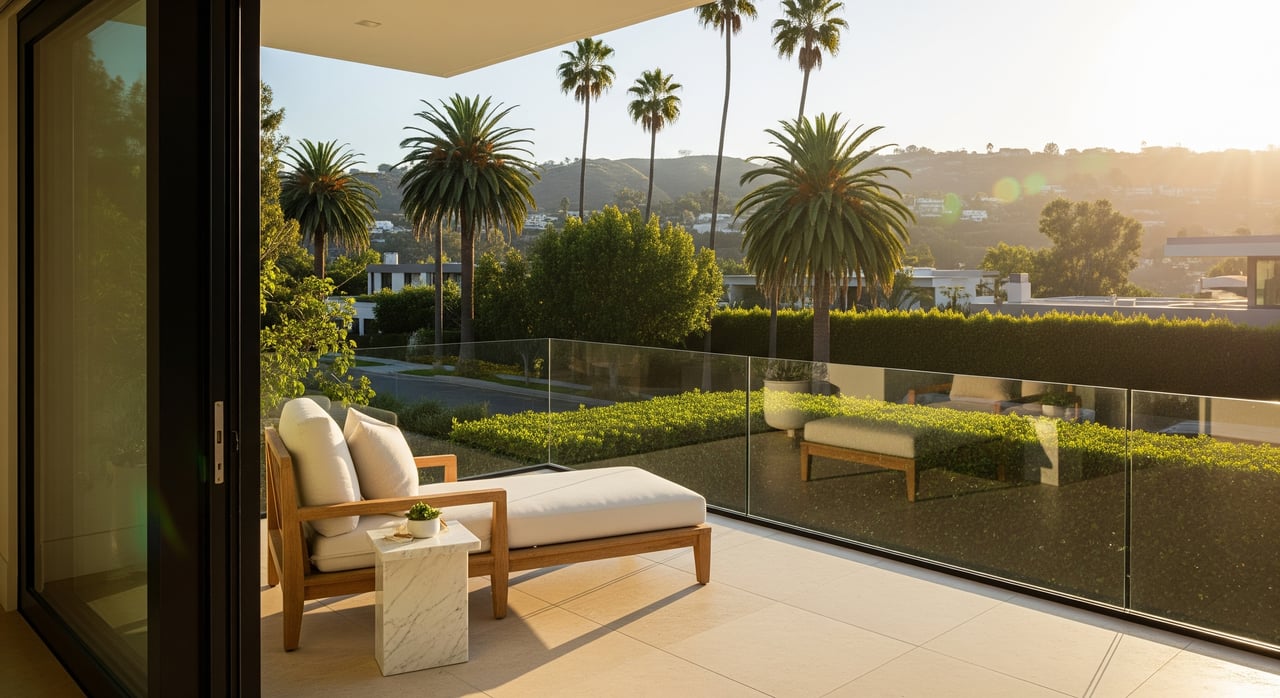
Expect consistent daylight and even sun across lots. You trade some privacy and quiet for street life and activity. For many buyers, that is part of the appeal. If you prefer a lively environment with regular neighborhood flow, the Flats align well.
What the Hills offer
Views and privacy
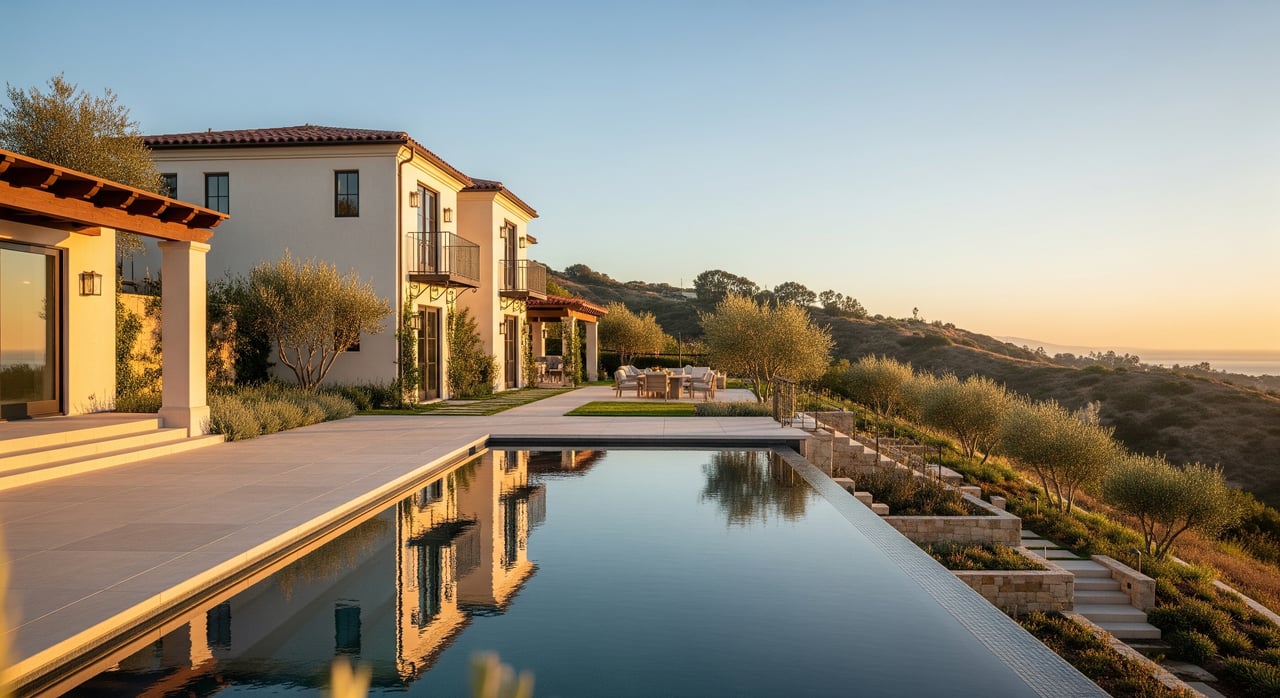
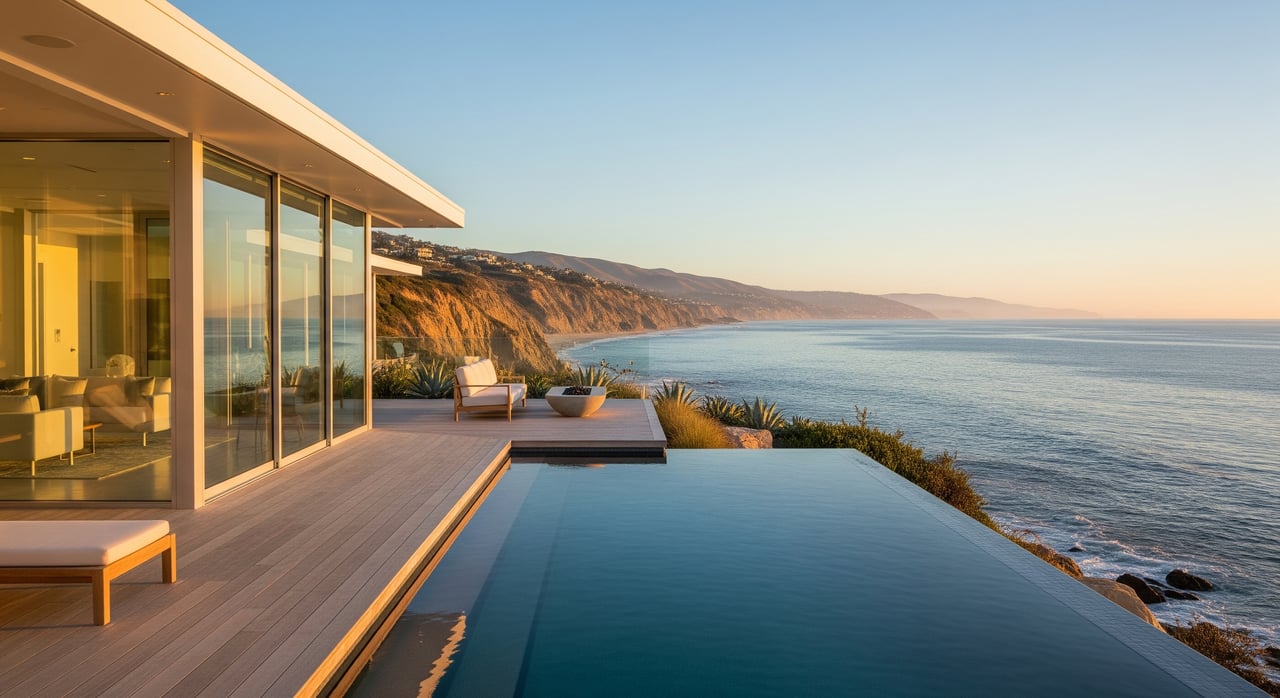
If you want dramatic city lights, canyon, or even ocean outlooks depending on orientation, the Hills are designed for it. Homes are often sited to frame view corridors and maximize privacy. The spacing, elevation, and terrain create a calm, secluded experience.
Homes, lots, and engineering
Hillside estates range from mid-century modern to contemporary custom builds. Lots can be larger but also irregular or steep, with terraces and retaining walls. Renovations often require geotechnical input, engineered drainage, and specialized site work. That investment is common for buyers seeking a signature property.
Access and logistics
Winding roads, elevation changes, and narrow streets can add time to daily trips. Large moving vans or delivery trucks may need special planning. Some enclaves include private gates or roads that affect access, parking, and vendor coordination.
Microclimate and hazards
Nighttime can be a bit cooler and windier on exposed ridgelines, and certain slopes may see more morning marine layer. Orientation matters for sun and shade. Hillside parcels can sit within wildfire or landslide susceptibility zones, which may influence insurance, required defensible space, and permit needs.
Cost, insurance, and renovation
Insurance and lending
Hillside homes may face higher insurance premiums or more underwriting review due to wildfire, landslide, or access considerations. It is smart to obtain firm quotes early for homeowners, earthquake, and any needed endorsements. Lenders and appraisers will evaluate view orientation and access, so confirm comparable sales and valuation paths in advance.
Permits and construction
Hillside work typically triggers more stringent standards, including grading permits, slope setbacks, and geotechnical reports for remodels or additions. Expect longer timelines and higher professional fees. In the Flats, site work is usually simpler, though older homes may involve preservation considerations.
Taxes
Property taxes follow California’s Proposition 13 and are driven by assessed value at purchase. Differences in tax bills reflect market value more than the micro-location itself.
Who each area fits
Flats fit if you want
- Walkability to dining, shopping, and services.
- Shorter, predictable drives for school and activities.
- Streamlined maintenance and simpler access for contractors and deliveries.
Hills fit if you want
- Privacy, larger lots, and view-forward architecture.
- Willingness to manage higher service complexity and longer trips when needed.
- A signature property with room for custom design and engineered upgrades.
A blended option
If you want a balance, consider mid-slope or Flats close to the base of the Hills. You can gain quick access to shops while staying near hillside serenity.
Resale and long-term value
Market dynamics
Hillside estates with notable views often command premiums for privacy and outlooks. In the Flats, smaller single-family homes and condos can offer more entry points into the Beverly Hills market. Across cycles, unique luxury assets can outperform when demand centers on prestige and views.
Buyer pools and liquidity
Flats often appeal to buyers who prioritize convenience and reliable access. Hills attract buyers seeking privacy, architectural statements, and landscape drama. In either area, proximity to commercial corridors, road access, and view stability can influence resale.
View stewardship
Because view lines are material to value, monitor nearby development plans and zoning changes that could affect sightlines. In the Flats, consider how traffic and street activity near commercial corridors affect future buyer preferences.
Buying smart: due diligence checklist
Use this list to preempt surprises before you make an offer.
- Site and access
- Drive the area at rush hour, on weekends, and at night to gauge noise, street activity, and parking.
- Confirm driveway geometry and street width for moving trucks and large deliveries.
- Hazards and condition
- Review wildfire and landslide maps relevant to the parcel.
- Book inspections that evaluate drainage, retaining walls, slope stability, and any evidence of prior movement or repairs.
- For hillside properties, secure a preliminary geotechnical letter or verify existing reports.
- Permits and renovations
- Request permit histories and verify that past alterations were permitted.
- Confirm hillside rules, grading requirements, and any historic or architectural overlays.
- Insurance and financing
- Obtain quotes for homeowners, wildfire mitigation where applicable, and earthquake coverage.
- Ask your lender how they will handle appraisal comparables for view or hillside properties.
- Utilities and services
- Confirm trash pickup logistics, internet options and speeds, sewer versus septic where relevant, and any private road or HOA agreements.
- Neighborhood and development
- Check for planned developments that could affect views or traffic.
- Schools and local services
- Verify school boundaries and transportation options directly with the district.
- Title and easements
- Review easements, slope maintenance agreements, and any recorded obligations for private roads or retaining walls.
Flats vs Hills self-assessment
Ask yourself these questions to clarify fit.
- Do you value walkability and quick errands over maximum privacy and views?
- How often will large deliveries, contractors, or staff need access to the property?
- Are you comfortable planning for geotechnical work and engineered drainage if you remodel on a slope?
- Will a few extra minutes on winding roads impact your daily schedule?
- Is a consistent sun pattern and even lot exposure important for your landscaping and outdoor living?
- How sensitive are you to street activity and neighborhood noise versus seclusion?
How SPIRE supports your decision
Choosing between the Flats and the Hills is as much about lifestyle as it is about engineering and logistics. With a licensed broker and a licensed contractor under one roof, SPIRE ESTATE SERVICES helps you evaluate access, slope conditions, drainage, permitting paths, and service logistics before you commit. Our estate management expertise also gives you a clear operating plan for staffing, maintenance, vendor oversight, and capital projects after you close. That way, you get a refined selection process and long-term stewardship for the property you choose.
If you are comparing options and want a discreet, accountable partner to guide each step, connect with SPIRE ESTATE SERVICES. Become a Client.
FAQs
Are Beverly Hills hillside homes harder to insure?
- It depends on wildfire and landslide exposure, access, and mitigation measures. Get firm quotes early for homeowners, earthquake, and any needed endorsements.
What affects daily driving in the Beverly Hills Hills?
- Winding, steeper roads and occasional narrow streets can add time to trips. Plan for switchbacks, limited parking, and private road or gate logistics in some enclaves.
How should I think about remodeling costs on a hillside lot?
- Expect higher budgets for grading, retaining walls, engineered drainage, and geotechnical oversight. Timelines and professional fees are typically higher than flat-lot projects.
How do views impact value for Beverly Hills homes?
- Views are a material feature in appraisals. Nearby construction can alter value if it blocks or improves sightlines, so review local plans and zoning before you buy.
Are city services different in Beverly Hills Hills neighborhoods?
- Services are provided city-wide, though steep or narrow streets may require alternate pickup points or schedules. Confirm specifics with local public works before closing.
How do I verify school assignments in Beverly Hills?
- Contact the local school district directly for boundary maps and transportation options. Verify details before you make an offer.
What is the main tradeoff when choosing the Flats?
- You gain walkability and access to shops and services, but you accept more street activity and closer neighbors compared with hillside seclusion.