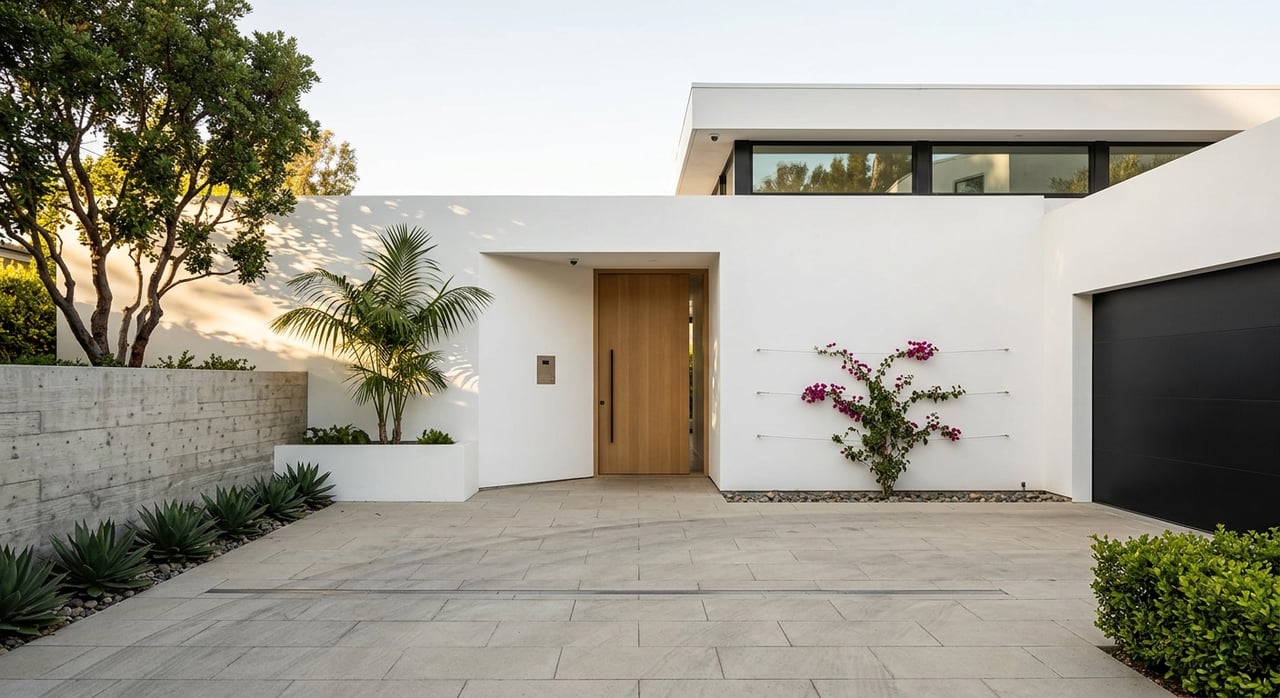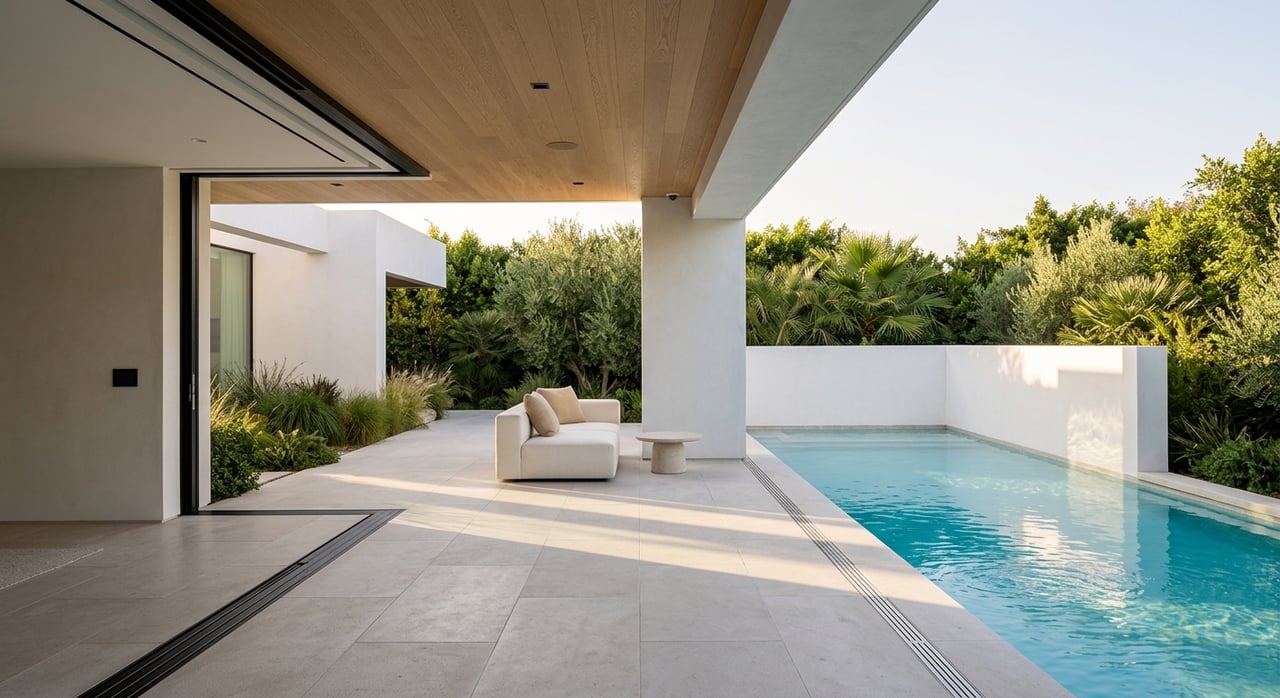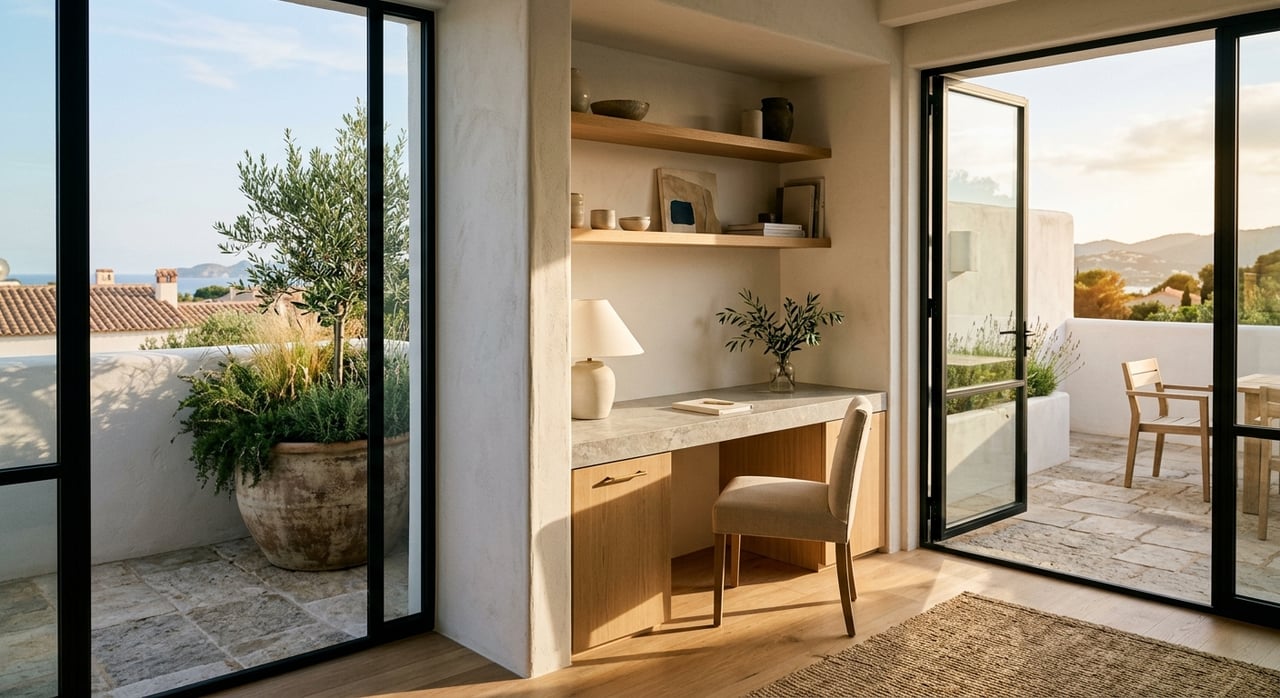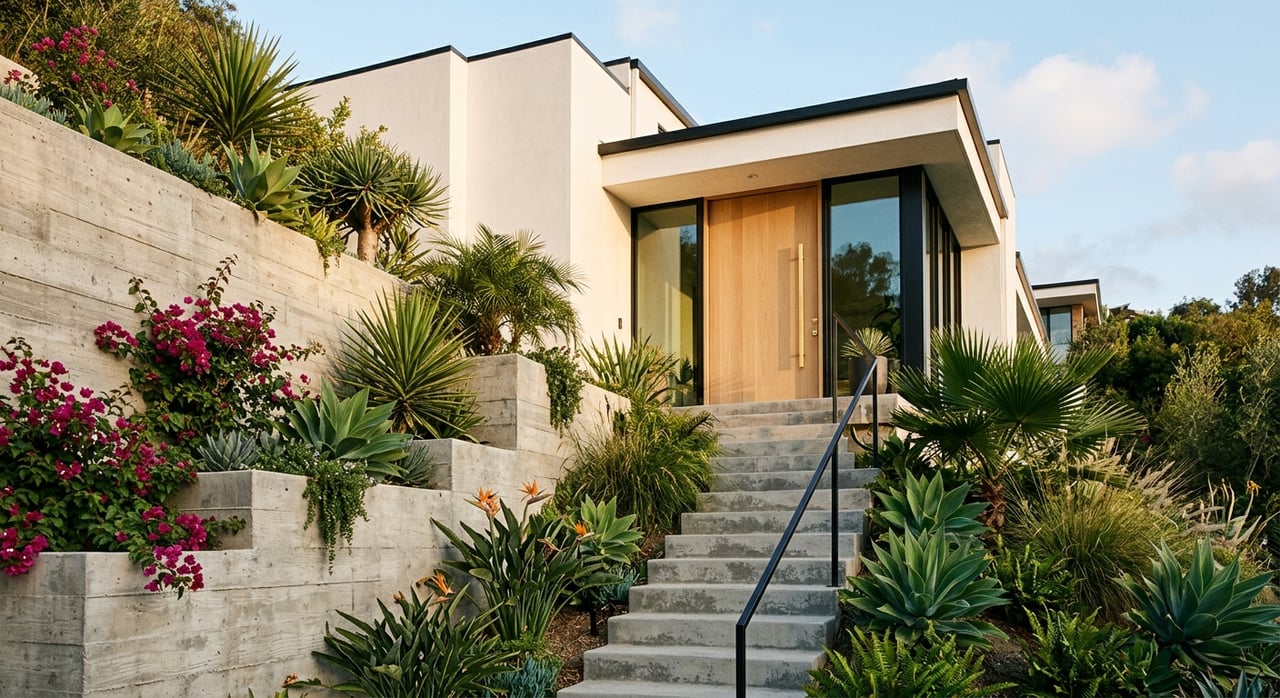
Thinking about a renovation in Bel Air? The design choices that feel exciting at the start can become expensive problems later if they run into hillside rules, grading issues, or changes that narrow your future buyer pool. If your goal is to improve your home while protecting long-term value, a more disciplined plan matters here than it might in other parts of Los Angeles. This guide walks you through how to renovate in Bel Air with a value-first mindset and where careful coordination can save time, budget, and resale headaches. Let’s dive in.
Why Bel Air renovations need more planning
Bel Air renovations often involve more than design taste and construction cost. The area sits within the Bel Air-Beverly Crest Community Plan area, and the City of Los Angeles identifies it as part of the Hillside Construction Regulation Supplemental Use District. The Mulholland Scenic Corridor Specific Plan can also affect certain properties in the area.
In practical terms, that means your project may face review tied to hillside construction, grading, and neighborhood character at the same time. For many owners, the biggest mistake is treating these as separate issues instead of one connected planning process. In Bel Air, early coordination is often what protects both schedule and value.
Older homes can add another layer. The city’s SurveyLA program identifies historic resources and planning districts that can influence planning decisions, including patterns in height, massing, setbacks, and street trees. Before changing exterior character, it is wise to confirm whether your property has any planning-district or historic-resource considerations.
Start with the site, not the finishes
A value-preserving renovation usually starts below the surface. In Bel Air, slope conditions, drainage, retaining walls, and grading needs can reshape a project long after the design phase begins. If you start with cabinetry, stone, or cosmetic ideas first, you may end up redesigning after site realities come into focus.
A stronger approach is to investigate the property first, then move into schematic design. In hillside areas, soils and geology reports are often part of that early due diligence, especially where grading permits are required. This is one reason disciplined pre-construction planning tends to protect value better than rushing into visible upgrades.
For many owners, the right order looks like this:
- Site investigation
- Schematic design
- City and HOA approvals
- Structural, grading, and drainage work
- Major systems work
- Interior finishes
- Landscaping and exterior detailing
That sequence matters because hillside soils, grading review, and green building review can affect scope after design starts. The more decisions you lock in before understanding those constraints, the more likely you are to spend money twice.
Understand permits before work begins
In Los Angeles, permits are required for construction, alteration, or repair work on private property. Building plans must be approved before permits are issued for additions, structural alterations, interior floor-plan changes, retaining walls, fences, and shoring plans. Even when a permit is issued, the work is not considered approved until it has been inspected and accepted.
That last point matters. Work must be inspected before it is covered or concealed, which means sequencing is critical. If your contractor moves ahead without the right inspections, you may face delays, added cost, or documentation problems later.
Some simpler projects may qualify for express permits. LADBS lists examples such as same-size window or door replacement, re-roofing, kitchen or bathroom remodels, adding or replacing plumbing fixtures, and rewiring electrical outlets. Even then, owners should avoid assuming a project is simple just because the finished work looks cosmetic.
Grading can change the whole project
In Bel Air, hillside grading is often where renovation plans become more complex. LADBS says grading permits are required for any grading work in the hillside grading area, including removal and recompaction or backfill. Grading plan checks are also required for slope repairs, landslide repairs, mass grading, basement excavations in hillside areas, pool excavations in hillside areas, and retaining-wall cuts and backfill.
Soils and geology documentation can be part of that process. LADBS states that soils and or geology reports are usually required before grading permits are issued, and combined soils and geology reports are needed for projects in a Hillside Grading Area. Soils reports are also needed in certain slope and excavation conditions.
This is why grading and structural design should be treated as one conversation. If you are changing walls, expanding a basement, modifying terraces, or altering support conditions on a slope, those decisions can affect engineering, permitting, and timeline all at once. A project that looks like a design upgrade on paper can function more like a site-engineering project in practice.
Choose upgrades with broad appeal
When you renovate for value, the safest path is usually functional luxury rather than highly personal customization. Research on buyer preferences points to durable features with broad appeal, including patios, landscaping, exterior lighting, garage storage, walk-in closets, table space in the kitchen, energy-efficient windows and appliances, and smart or security systems.
For Bel Air, that often translates into improvements that support daily ease and indoor-outdoor living. A well-planned patio, upgraded exterior lighting, organized garage storage, or modern energy-conscious systems can feel elevated without making the house harder to market later. These upgrades tend to serve both current enjoyment and future flexibility.
Outdoor presentation also matters. National remodeling data shows strong support for curb appeal improvements, landscape maintenance, overall landscape upgrades, outdoor kitchens, and new patios. While those figures are not Bel Air-specific, they reinforce a useful principle: exterior presentation and livability are often value-protective places to invest.
Avoid overcustomizing the house
Bel Air buyers may expect quality, but that does not mean every custom idea adds value. One-off rooms, unusual layouts, or finish selections tied too closely to personal taste can reduce the home’s future appeal. The goal is not to make the property generic. The goal is to keep it elegant, usable, and easy for the next owner to understand.
That is especially important in older homes or architecturally distinct properties. If a renovation changes exterior massing, facades, gates, or street-facing elements without regard for the home’s existing character, it can create friction during review and weaken the architectural coherence that often supports long-term value. Protecting scale and proportion is just as important as selecting expensive materials.
A good rule is simple: modernize systems second, customize finishes last. That keeps your investment focused on the parts of the property that improve function, maintenance, and marketability before you spend heavily on aesthetics.
Plan around Bel Air construction limits
Construction timing can affect your renovation more than you expect. In HCR districts, LADBS says weekday construction is allowed from 8:00 a.m. to 6:00 p.m., while Saturday work is limited to interior work. Excessive exterior illumination after 6:00 p.m. is also prohibited.
If you plan to live through the renovation, these limits can shape how disruptive the process feels. Noisy exterior phases have less flexibility, and delays in one trade can ripple through the week faster than in a less restricted setting. Temporary access, staging, and household routines deserve attention early, not after work starts.
Keep HOA review in the schedule
Some Bel Air properties may also involve HOA approval before physical changes are made. California law requires associations to use a fair, reasonable, and expeditious approval process, make decisions in good faith, issue written decisions, and provide a reconsideration process. Associations must also provide annual notice of approval requirements.
From an owner’s perspective, the practical lesson is straightforward. HOA review should not be treated as a side task or a last-minute submission. If your project affects exterior appearance or controlled elements, that approval timeline should be built into the master plan from the beginning.
Architectural controls are commonly used to preserve property values and community standards. Even when the process is orderly, missed details or incomplete submissions can trigger costly rework. That is one more reason centralized oversight can protect value during a Bel Air renovation.
Documentation protects future resale
Permits and inspections are not just about getting through construction. LADBS notes that documented permits and inspections can help when a home is sold or refinanced. For owners of high-value properties, clean records can support a smoother transaction later.
This is one reason renovation oversight should include both construction management and record management. Plans, approvals, inspection sign-offs, and any required reports should be organized from day one. When documentation is incomplete, even beautiful work can become harder to defend during due diligence.
When expert oversight is worth it
The need for oversight rises when your renovation touches slope stability, retaining walls, drainage, view-related design questions, or HOA approvals. In those cases, coordination failures are often more expensive than design changes. The right team helps reduce re-submittals, sequencing mistakes, and gaps between what is drawn, approved, and built.
In practical terms, that team often includes an architect or designer, a structural engineer, a geotechnical engineer for hillside conditions, and a contractor familiar with LADBS hillside review. Just as important, someone needs to coordinate city and HOA approvals so the project moves as one process rather than a series of disconnected tasks.
For luxury owners, this is where a stewardship mindset matters. A renovation should not only look complete. It should also be easier to maintain, inspect, insure, and sell later.
A smart renovation roadmap for Bel Air
If you want to improve a Bel Air property without losing value, focus on decisions that make the home more stable, more functional, and more broadly appealing. Protect the site first, modernize systems next, and reserve personal finish selections for the end. That order helps you avoid investing heavily in elements that may need to change after engineering or review.
The most resilient projects usually do a few things well. They respect hillside constraints, preserve the home’s architectural scale, improve daily usability, and maintain clean records throughout the process. In a market like Bel Air, that kind of discipline is often what separates a smart renovation from an expensive detour.
If you want discreet, hands-on guidance as you plan improvements to a Bel Air property, SPIRE ESTATE SERVICES offers boutique estate stewardship with the added advantage of broker and contractor expertise under one accountable roof.
FAQs
What makes a Bel Air renovation different from other Los Angeles projects?
- Bel Air projects often involve hillside construction rules, grading review, and planning considerations tied to neighborhood character, which can make early coordination more important than in lower-regulation areas.
What kinds of Bel Air renovation work usually need permits?
- In Los Angeles, permits are generally required for construction, alteration, or repair work, including additions, structural alterations, interior floor-plan changes, retaining walls, fences, and shoring plans.
When is a grading permit required for a Bel Air property?
- In hillside grading areas, grading permits are required for grading work such as removal and recompaction, backfill, slope repair, basement excavation, pool excavation, and some retaining-wall-related earthwork.
What renovations are least likely to hurt resale value in Bel Air?
- Upgrades with broad appeal, such as patios, landscaping, exterior lighting, storage improvements, energy-efficient features, and smart home or security systems, are generally more value-protective than highly personal customizations.
Should you check historic or planning status before changing a Bel Air exterior?
- Yes. SurveyLA and local planning districts may affect how exterior character changes are viewed, especially for older homes or properties within identified planning areas.
Why do permits and inspections matter when selling a Bel Air home later?
- LADBS states that documented permits and inspections can help during a future sale or refinance, which makes organized records an important part of protecting long-term value.